About the project
The story behind FishSpotter
FishSpotter is a citizen-science game built around real survey footage. Every clip is a few seconds from an underwater camera beneath a working UK seaweed farm, and every identification you make becomes part of a record of what lives there.
What you are looking at
Real footage, exactly as the camera saw it
PEBL puts cameras on the farms' lines and records the water around them. Its software then cuts out the moments where an animal was tracked, so each clip is a few seconds long, built around one creature, and colour-corrected for the depth it was filmed at. Nothing is staged. The murk, the swell and the animal that will not turn side-on are the real conditions of the job, which is exactly why a second pair of eyes on every clip is worth so much.
Who is behind it
A company, a funded project, and six farms
- PEBL CIC builds and runs it.
- Plant Ecology Beyond Land (PEBL) is a Community Interest Company (no. 12076622, England and Wales) building accessible ecological data tools for coastal and seabed environments. FishSpotter is part of its marine monitoring programme: a citizen-science layer over footage from PEBL's own deployments.
- The monitoring is a funded project with WWF.
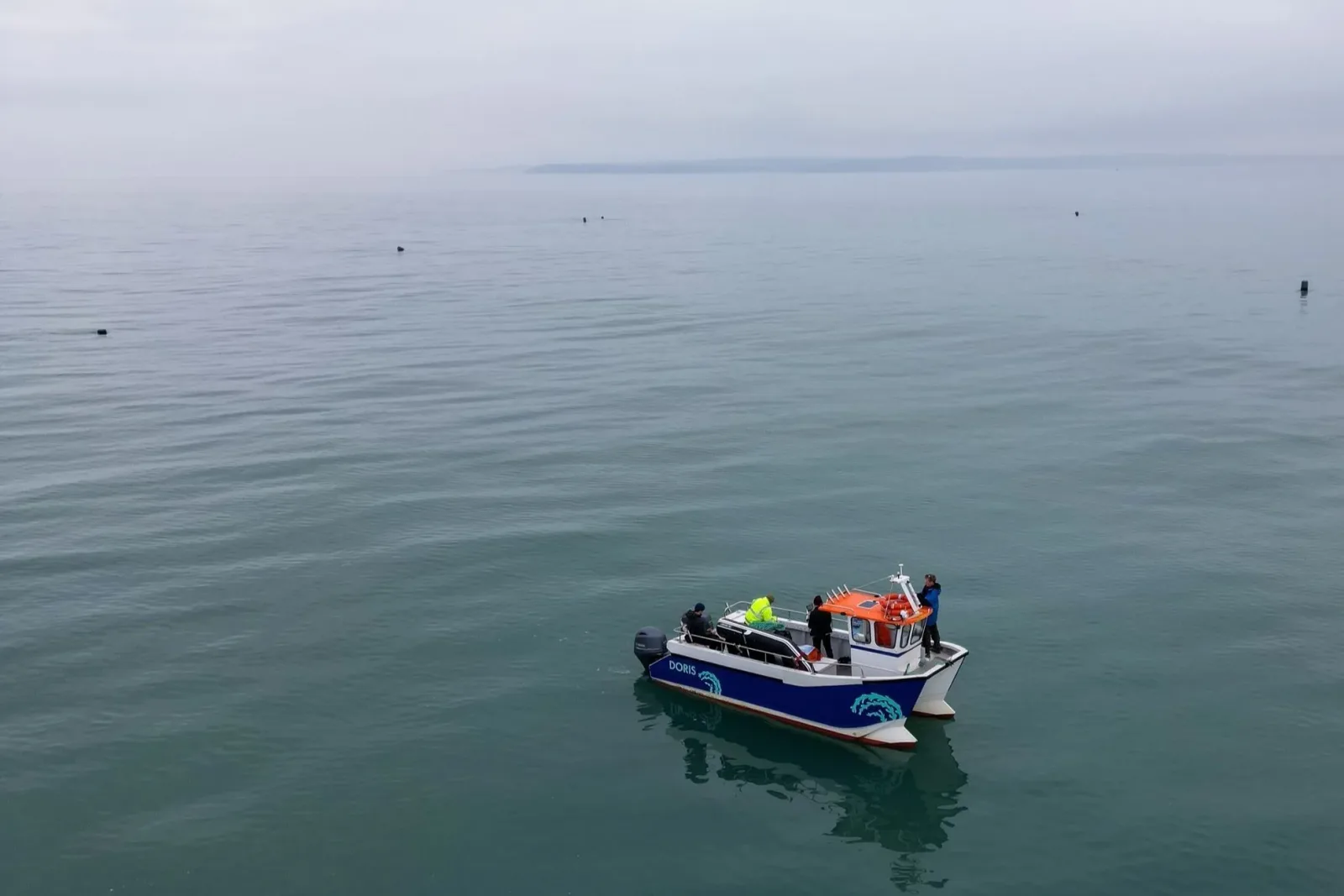
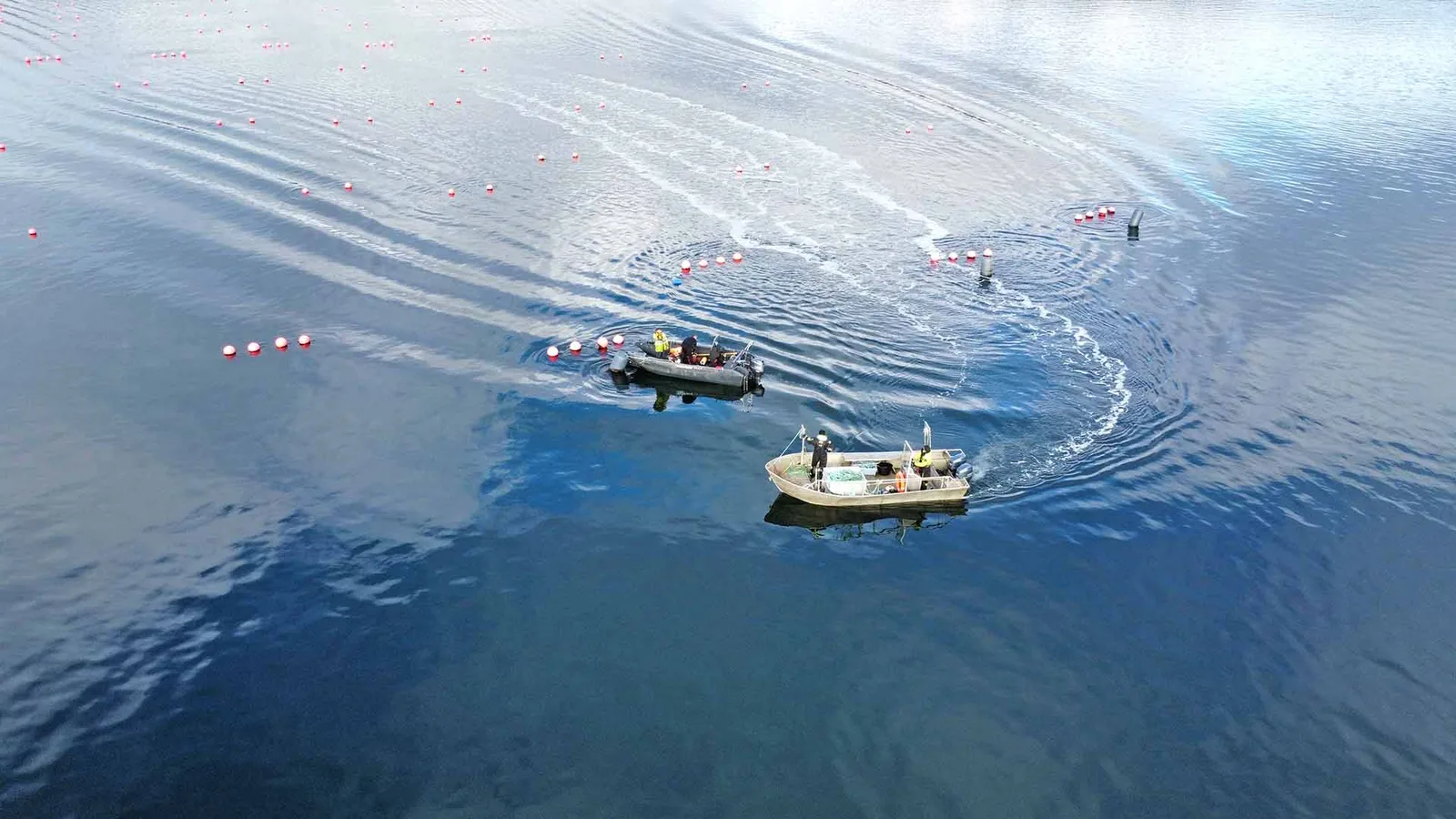
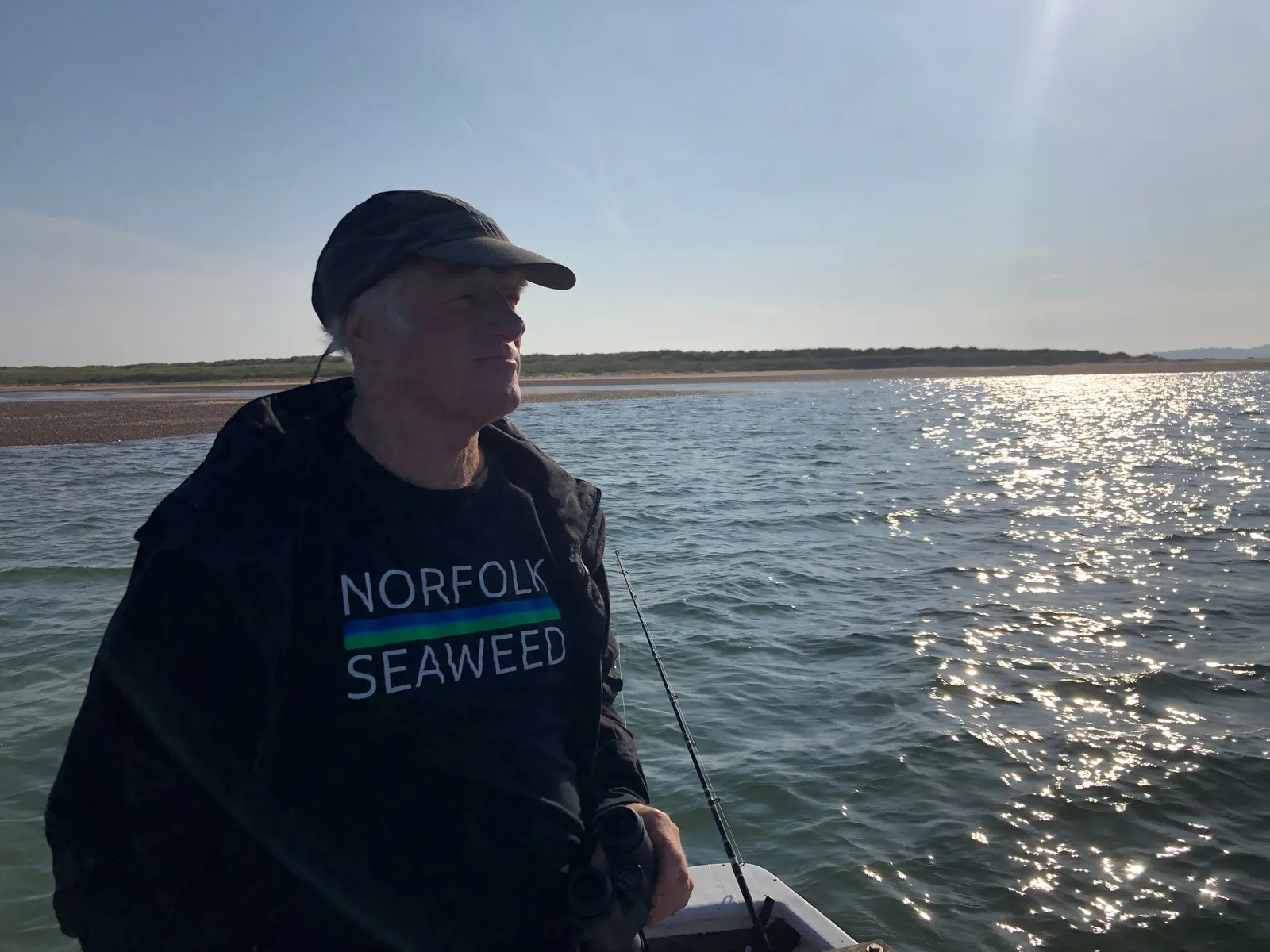
- PEBL monitors the water beneath six UK seaweed farms as part of a National Lottery Climate Action Fund project with WWF. The fish you are spotting live in the same water that grows the crop.
- The farms host the cameras.
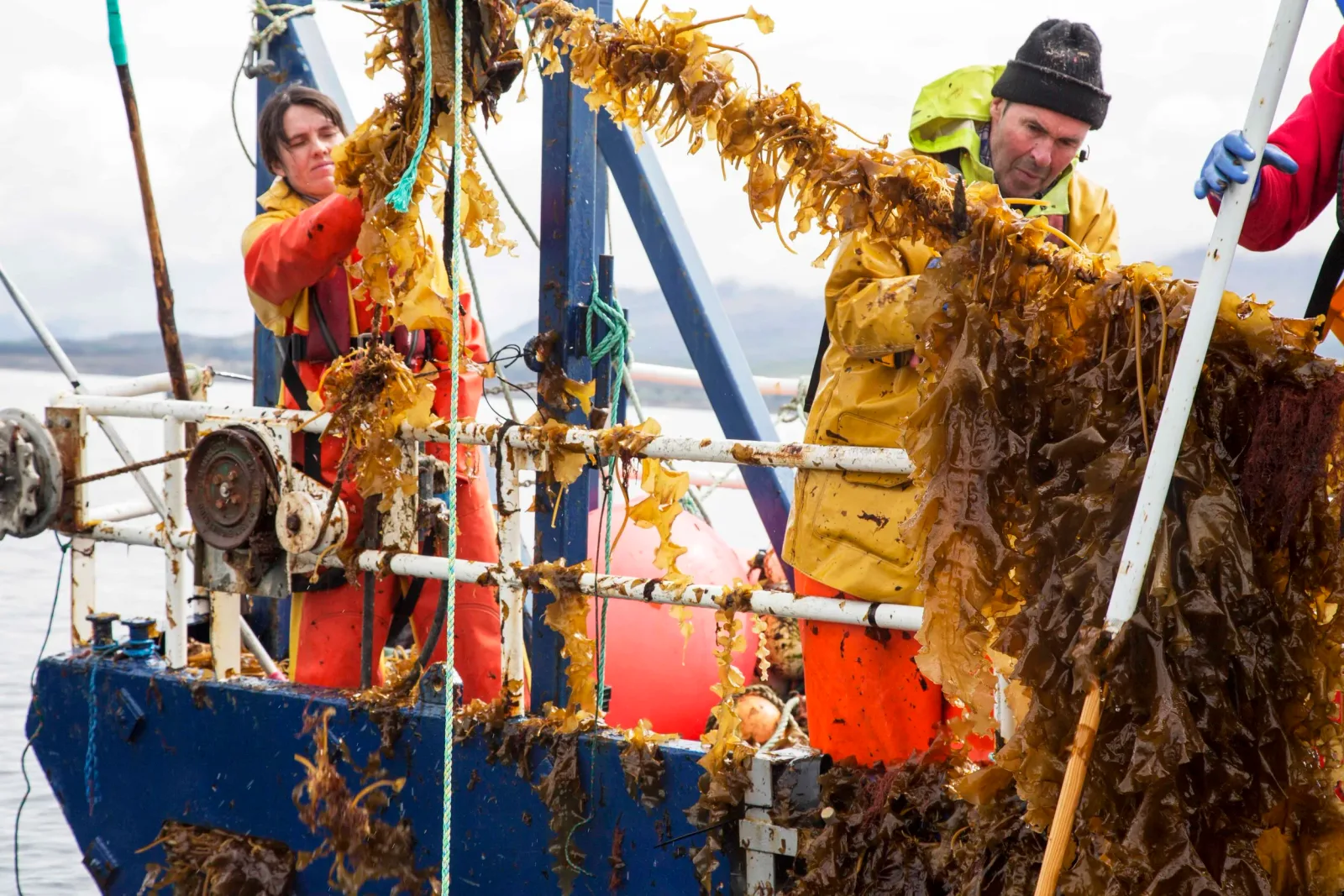
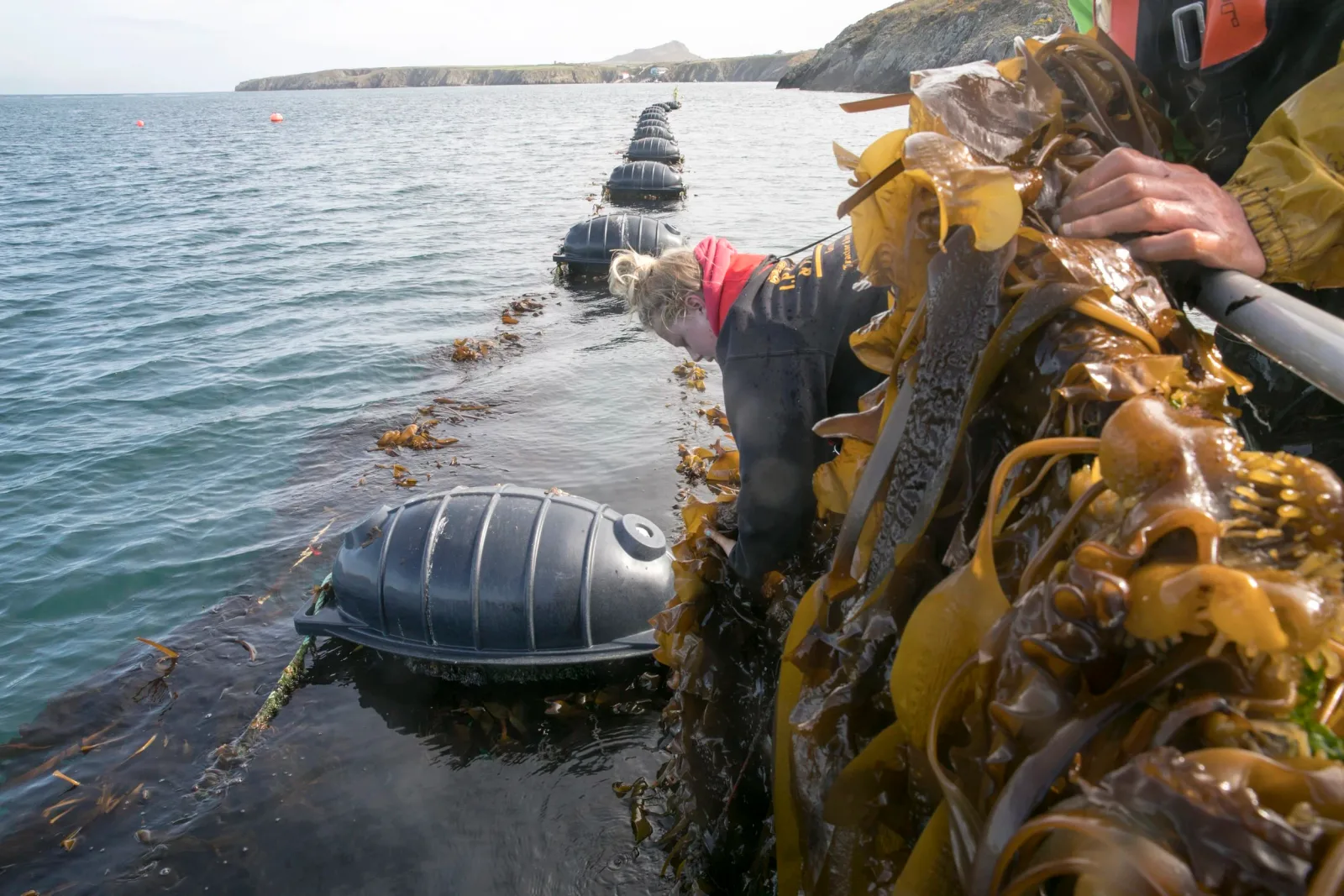
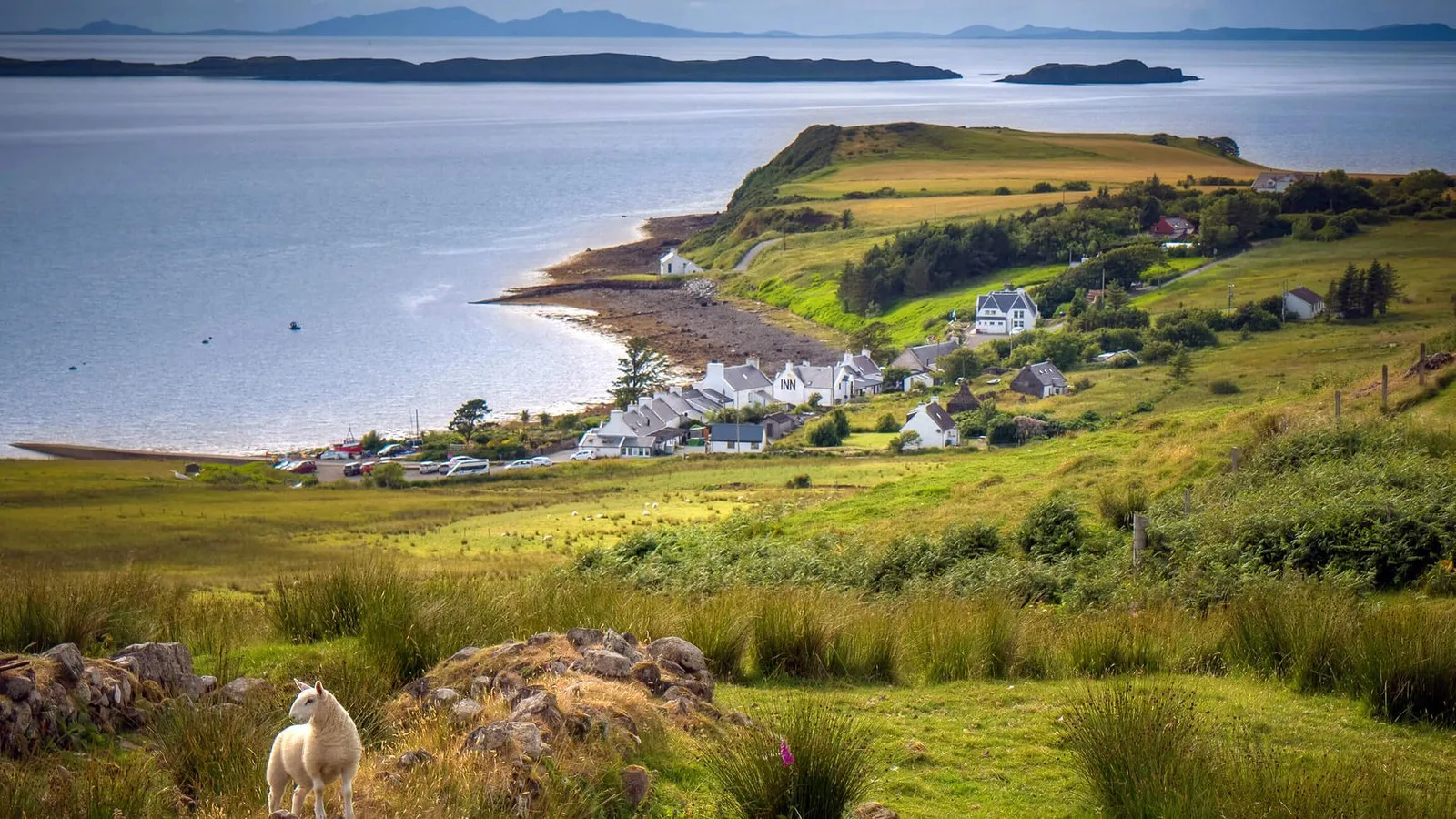
- They are working businesses, spread from Pembrokeshire to Skye. Most of what they grow does not end up on a plate: it is dried, pressed and sprayed onto fields as a biostimulant, a natural alternative to synthetic fertiliser that helps crops grow stronger roots and resist drought. Each one has its own page.
What your identifications are used for
The crowd is the authority
There is no answer key. A clip is identified when three or more spotters independently agree on what is in it; that becomes the community's identification, and the spotters who called it earn Pebbles. Your own guess is recorded before you see anyone else's, so agreement means something.
Those settled identifications, added up by site and by date, are how PEBL turns thousands of short clips into a record of which species are using each farm. That record supports PEBL's monitoring of the farms and UK marine biodiversity science more widely, which is the community-benefit mission the company exists for. Anything that leaves the app is anonymised and aggregated: it says what was seen where, never who saw it.
Two more things, because you asked. Engagement figures (how many people played, and for how long) are reported to the funder, and only counted if you choose “Accept” on the cookie banner. And your data is never sold: there are no advertising networks or tracking pixels on the site.
Get in touch
Questions, footage, data
Whether you want to know more about the project, have a farm that could host a camera, or would like to use the aggregated results for research, email hello@pebl-cic.co.uk. PEBL's wider monitoring work is at pebl-cic.co.uk.